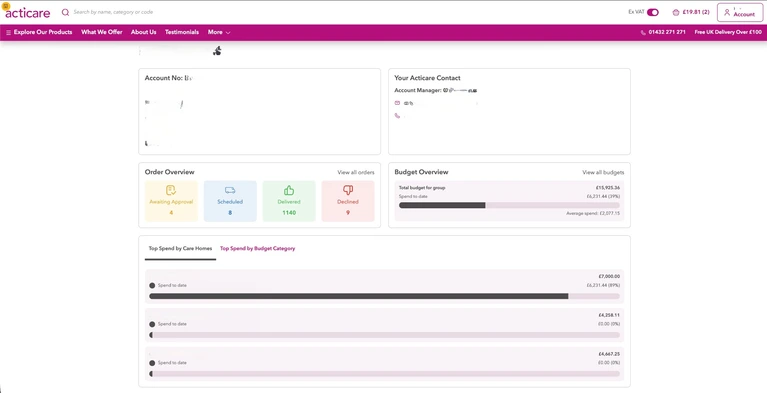
4 Roads shortlisted at the BIMA Awards 2026 for Acticare
4 Roads is shortlisted in the Business (B2B) category of the BIMA Awards 2026, for Acticare's B2B ecommerce platform. Winners are revealed on 19 November.

Our thinking
What we have learned building online communities, apps and the software behind them.
4 Roads is shortlisted in the Business (B2B) category of the BIMA Awards 2026, for Acticare's B2B ecommerce platform. Winners are revealed on 19 November.

LLMs learned from community content, and now draw on it to answer questions. Why a community matters more than ever, and what good looks like now.

Banning social media or VPNs for under-16s won't protect children. Regulate personalised feeds, autoplay and infinite scroll; give parents simpler tools.
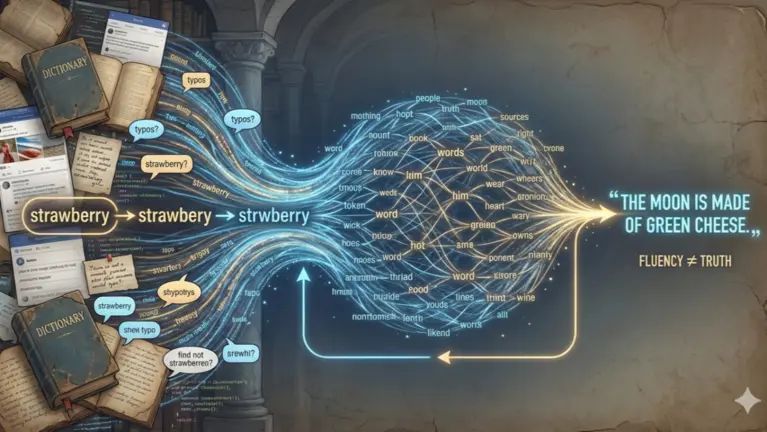
LLMs don't lie or gaslight: they complete patterns from how people actually write. Why a common misspelling may be a word in transition.

How 4 Roads is using a bespoke LLM and vision models to help communities meet the Online Safety Act: abuse detection, alt text and age verification.

4 Roads built a smartphone digital twin of a house to calculate heat loss. The lesson: sizing a heat pump needs accurate enough, not engineering-exact.
Agentic AI still needs developers: mock the LLM to test the workflow around it, then test the model with prompt, tool, golden-answer and guardrail tests.

A ChatGPT query uses about 0.34 Wh of power and 0.000085 gallons of water, by Sam Altman's figures. At a billion queries a day, it adds up.

How the Dunning-Kruger effect derails software projects, in developers and customers alike, and how feedback, data and open discussion counter it.
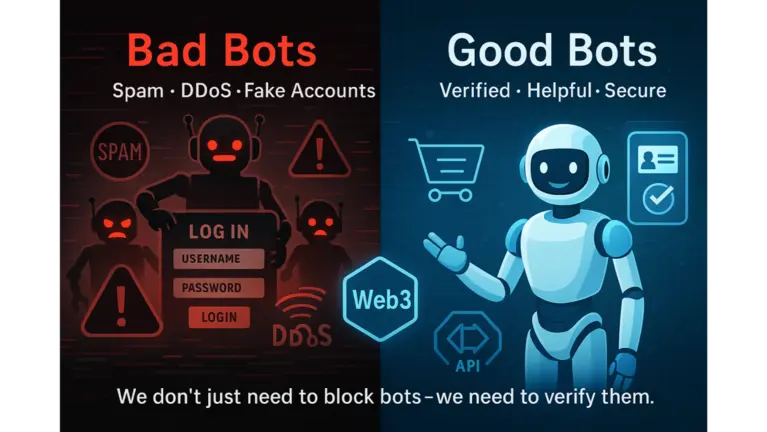
AI agents that shop and sign in for people behave just like the bad bots sites block. A proposal: a verifiable identity for good bots, built on Web3.

Eleven ways to keep a web project on track: clear goals, the right stack, performance, security, integrations, UX, scale, upkeep and smarter debugging.

How mobile apps drive digital transformation, the trends shaping them from AI to smart devices, choosing the right app, and measuring its success.

How customer expectations and technology are changing retail: chatbots, why AI in retail needs moderation, and voice commerce as the next step.

NHS 111 calls rose from 1 million in January 2016 to 1.9 million in January 2024. How automating health conversations could ease a service under strain.

How a community makes a subscription worth keeping: exclusive access, experiences beyond the product, and feedback that never stops.

What a capacity gap is, why it holds a business back as technology keeps changing, and how a strategic partner can close it.

Information architecture is how a site's content is organised, labelled, navigated and searched. How to get each right, so people find what they need.

What a headless CMS is, and why use one: the same content on every channel, each in its own way, better performance as you grow, and no lock-in.

What interaction design is, how it differs from UX, and four things it does for a product: usability, engagement, trust, and fewer errors.

Four things user-centric design needs: an understanding of your users, usability first, consistency, and feedback that shapes what comes next.

Four mistakes that hold a knowledge base back: content left out of date, a messy structure, turning answers into sales pitches, and poor design.

Four ways to use gamification to keep an online community engaged: know your users, offer incentives, reward and discourage behaviour, and take it offline.

Four things that make a knowledge base work for customers: good UX, content that is complete and kept up to date, search engine visibility, and speed.

How intelligent virtual assistants can support car buyers and drivers, what they bring to the automotive industry, and why they are not plug-and-play.

Why an app needs updating after launch: to stay compatible and secure as Android and iOS change, and to keep giving customers the experience they expect.

How membership organisations can give members real value when the connection is more practical than emotional, and meet them wherever they are.

Can AI help people waiting for mental health support in the UK? What technology can offer, the risk of dehumanising care, and whether some help beats none.

AI is not a golden hammer: it does not solve every problem, and before jumping on the AI bandwagon, ask whether a better or simpler solution would do.

Verint Engage 2023 in Las Vegas: AI used one task at a time with a person signing off, and digital-first tools joined up. 4 Roads sponsored the event.

A knowledge base lets customers help themselves. Joined to a community and to AI search, it can also answer what it doesn't hold yet.

Intelligent self-service should give customers the right tool in the right context, not necessarily the latest, nor whatever early adopters use first.

A 3D environment lets EV buyers explore a car and how it charges, answering the doubts about range and charging that hold them back from switching.

What digital-first engagement is, what it does for customer support, from personal service to 24/7 help and insight, and how to put it in place.

How SLAM, simultaneous localisation and mapping, can guide visually impaired and disabled travellers through busy indoor spaces where GPS can't reach.

Four ways conversational AI helps banks: faster customer service, a more personal experience, more leads, and banking on the go.

AI and intelligent self-service let insurance customers buy, renew and claim without waiting, and help insurers assess risk, settle claims and spot fraud.

Intelligent self-service connects the ways customers help themselves, from communities to chatbots, so each knows what the others know. Why it pays.

How augmented reality brings shoppers back into stores: buzz, in-store experiences, less friction, every product on view, specs on the spot and navigation.

How customer experience has moved from company to content to community, and how to tell where yours is and get ahead of it.

Five things to weigh when choosing community forum software: features and extensibility, long-term cost, the roadmap, integration and the admin.

What a brand community is and how to build one that lasts: build for now, embrace conflict, own the platform, avoid surprise costs, know your members.

Why content from a community's members matters: support, search visibility, trust and brand ambassadors, and why giving customers a voice pays.

Why people join online communities, from belonging and growth to a seat at the table and a shared passion, and what that means for managing yours.
What managing the customer experience end to end really costs, why happy customers repay it, and how customer experience management differs from CRM.
How engaged customers raise revenue: targeted selling, word of mouth and lower support costs, and how to measure the return.
How to measure the real return on a community, beyond vanity metrics: its value to customer service, marketing, legal, events, product and referrals.
What a retailer should ask before an AR project: gimmick or useful, will it last, how to win buy-in, app or browser, and is the audience ready.
Six ways an online community can earn money beyond membership fees: research, recruitment, paid content, search, advertising and merchandise.

Why a business should run its own online community: honest feedback, new ideas, peer recommendations, customers helping each other, and owning the data.

Intelligent self-service is not only automation: chatbots and communities give customers speed, and a person handles the nuanced questions.
Why a platform you own beats a Facebook group for a brand community: engagement, member experience, retention, support, search and risk.

In 2019, 4 Roads won a BIMA award for Hitachi Vantara's AR and AI display: a 3D configurator for its hardware racks, and a chatbot to answer questions.