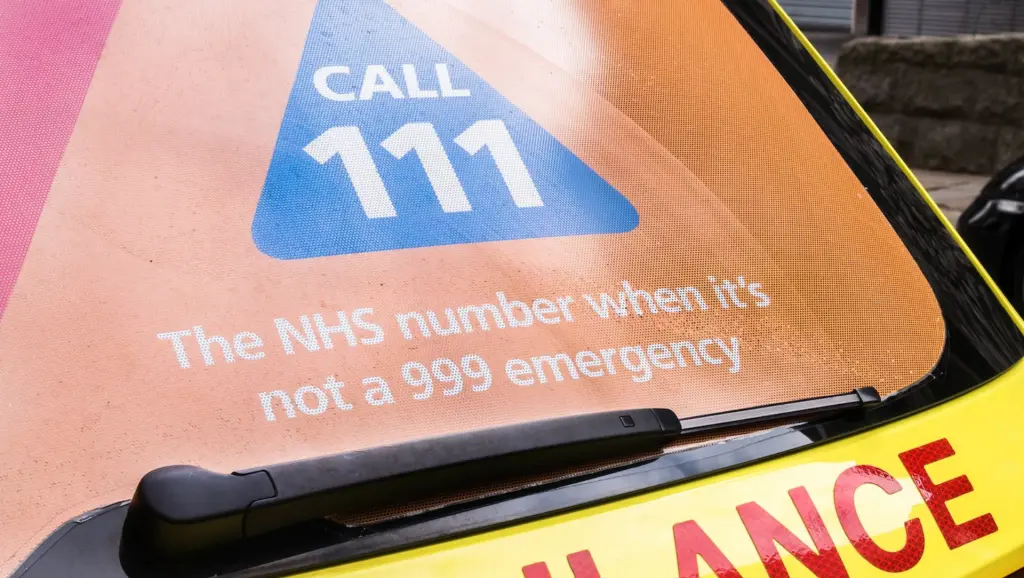
NHS 111 is moving beyond the phone: calls nearly doubled between 2016 and 2024, and AI chatbots can now take on the first stage of a health conversation, leaving clinicians to review it and call back. People are making fewer phone calls, and expect to reach services on other channels.
What is NHS 111, and how busy is it?
NHS 111 gives health advice by phone when people need medical help that isn't urgent, and directs them to the right NHS service.
In January 2016 it received just over 1 million calls; in January 2024, 1.9 million. During COVID-19, calls rose to around 3 million in March 2020, and only about 1.3 million were answered. NHS 111 turned to digital, and became part of the NHS App, which in 2024 had more than 34 million registered users.
The service takes real strain off the NHS front line. In 2019 NHS England reported that it had saved over 12 million unnecessary A&E visits since it began in 2011, and of the calls it triaged in January 2024, 11.6% were recommended to attend an emergency treatment centre.
Who answers the calls?
In December 2023 NHS 111 had 4,645 call handlers, in roles of different seniority, much like any customer service call centre:
- Service advisors help people without symptoms who need to find a service, such as how to get a repeat prescription or where to register.
- Health advisors help people with symptoms, with a full assessment to decide where to send them.
- Clinical advisors, clinicians such as nurses and doctors, take the complex cases.
Will people still want to phone?
Fewer of them. Like any service's customers, people expect to reach NHS 111 on more channels than the phone. In 2019 Salesforce found that 71% of customers had used several channels to start and complete a single transaction, and voice call centres are becoming omnichannel centres that bring every channel onto a single platform.
The phone call is becoming a smaller part of our lives. At 4 Roads, we believe that will change how people seek medical help too.
How is NHS 111 automating health conversations?
In 2022 Gartner predicted that by 2027 chatbots would become the main customer service channel for roughly a quarter of organisations. NHS 111 has brought in AI through Visiba, a platform for remote consultations between patients and healthcare professionals. The patient does the heavy lifting of the first stage, taking their own history, which relieves the doctor and removes the need for a non-clinical health advisor.
The patient is guided through decision trees. Generative and conversational AI, in a friendly chatbot, is combined with image analysis to produce a full assessment, which a clinician reviews before calling the patient back.
It is a huge step towards a modern health service, and could lead further: large language models could summarise patient notes, with a clinician approving the summary rather than writing it in full. The NHS is on the cusp of reimagining healthcare, and we're excited it has used chatbots to relieve the strain on its people. How 4 Roads builds intelligent self-service.
Updated on 19 September 2026.