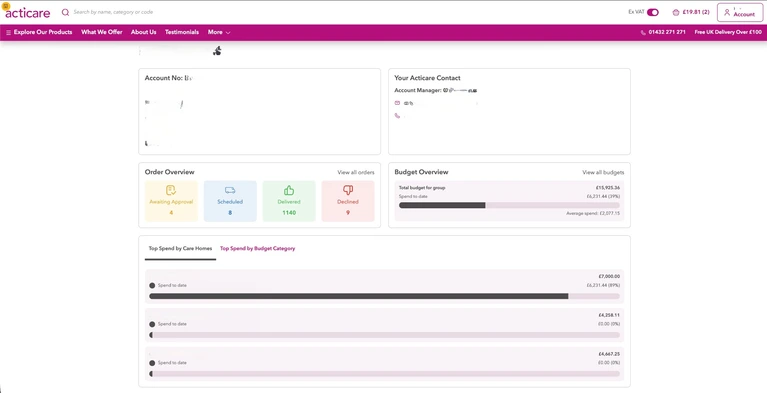
User-centric design means building a product, service or experience around a deep understanding of the people who will use it: their needs, their preferences and their limitations. The result is useful and usable, gives people a better experience than they expected, and is more likely to succeed. Four things matter most: understanding your users, putting usability first, consistency, and feedback that tells people what is happening.
How do you understand your users?
Start with who they are, what they need and how they behave. Many businesses profile users by age, gender and location alone. User-centric design needs more: their motivations, their pain points, and how they use products or services like yours. Detailed personas tell the story of a typical user, so you design for a person. To find out:
- Surveys and questionnaires gather needs, preferences and pain points from a large number of people.
- Interviews, in small groups or ideally one to one, uncover what a large survey might miss.
- Testing, watching people use your product, shows where they struggle and what to improve.
- Your own online community is the best way to understand your users. Until you have one, learn from how your users talk to you, and to each other, on social channels.
How do you put usability first?
Make your products and services intuitive, efficient and accessible to the widest possible audience, whatever their abilities.
Keep a clear information architecture, so navigation is simple. Organise content logically and hierarchically, make the most important sections easy to reach, and use card sorting to learn how people naturally group information, so the structure works for them.
Keep the design minimal: too many options clutter the interface and overwhelm people. And use familiar patterns, which people already know from the other sites they use.
Why does consistency matter?
Consistency lets people build a mental model of how an interface works. If it changes from one page or area to the next, the experience suffers. 4 Roads recommends three areas to focus on:
- Visual. One visual language throughout: colours, typography, button styles, icons and spacing. Changes feel jarring and can put people off a site.
- Function. The same function works the same way everywhere: if a button opens a modal in one section, it should elsewhere too. People learn what to expect from their first interaction.
- Content. Keep your tone of voice the same throughout, which is hard when several people work on a product, so agree guidelines and follow them. If you call something "favourites" in one place, don't call it "saved" in another.
What feedback does a user need?
Most people hear "feedback" and think of what users tell you about their experience. Here it means the product answering the user, so they feel in control and confident in what they are doing.
- An immediate response to every action, even just a visual change to show a button has been pressed, an animation or a notification, so people know the system has registered it.
- Error messages that help. Things go wrong. Instead of "something went wrong", say what went wrong and how to fix it: "Your email address is missing" helps more than "you missed a section".
More in what you should know about interaction design.
What does it give you?
User-centric design puts your users' experience, needs and preferences first, and the best way to keep them there is to involve users throughout the design process and keep improving on what they tell you. It builds satisfaction and loyalty: people share a good experience, investing in your users sets you apart from your competitors, and it can bring organic growth from the customers you already have.
How 4 Roads designs and builds websites and apps, and how it mapped Natural World Safaris' customer journeys, from the first click to booking.
Updated on 19 September 2026.