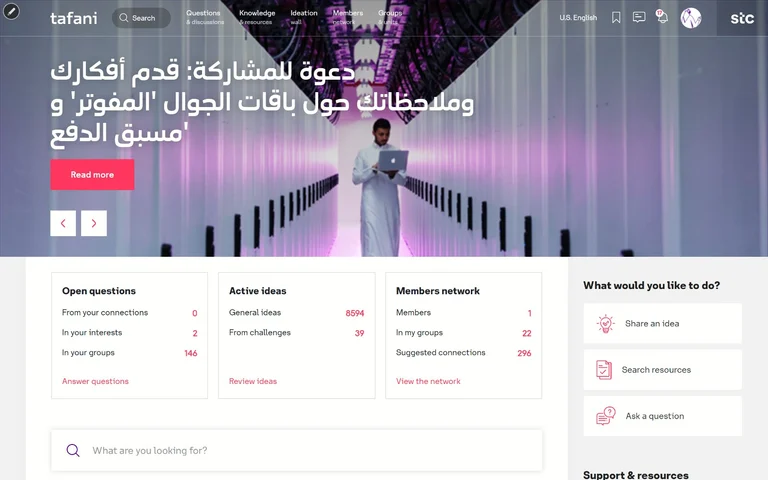
STC: Tafani, a Verint Community intranet where its people ask, share and put forward ideas
4 Roads built Tafani, STC's intranet on Verint Community: questions and discussions, ideation challenges, surveys and knowledge, on 54 custom widgets.

Augmented reality
In under two months, 4 Roads put Philips Healthcare's digital twins and MRI scanner into augmented reality for events, to overwhelmingly positive feedback.
The brief
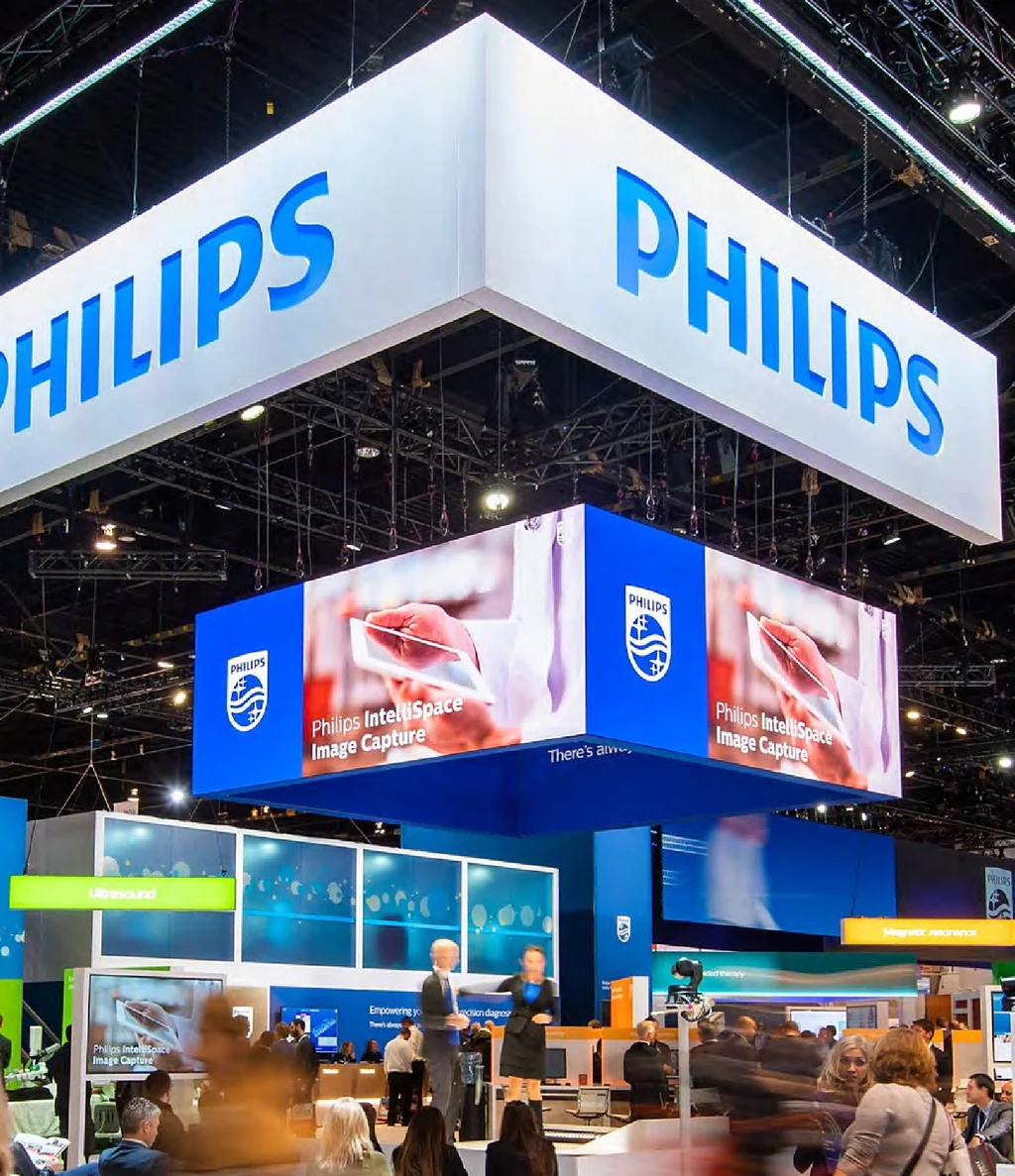
Philips is well known for its consumer products, and wanted people to know what it does in healthcare too. It set out to show its innovative medical products at events around the world.
Those products address global health issues, but they are difficult to get across to people walking past a stand. Video asks them to stop and take the time to understand, and risks losing them before they do.
Philips asked 4 Roads to build a digital way of showing two of them, to be used side by side at its live events.
The challenge
The first product was the digital twin. A person's health data is mapped from a young age into a virtual copy of them, which is updated as they go through life until it nearly matches their real body. Machine learning then uses it to diagnose and predict health issues.
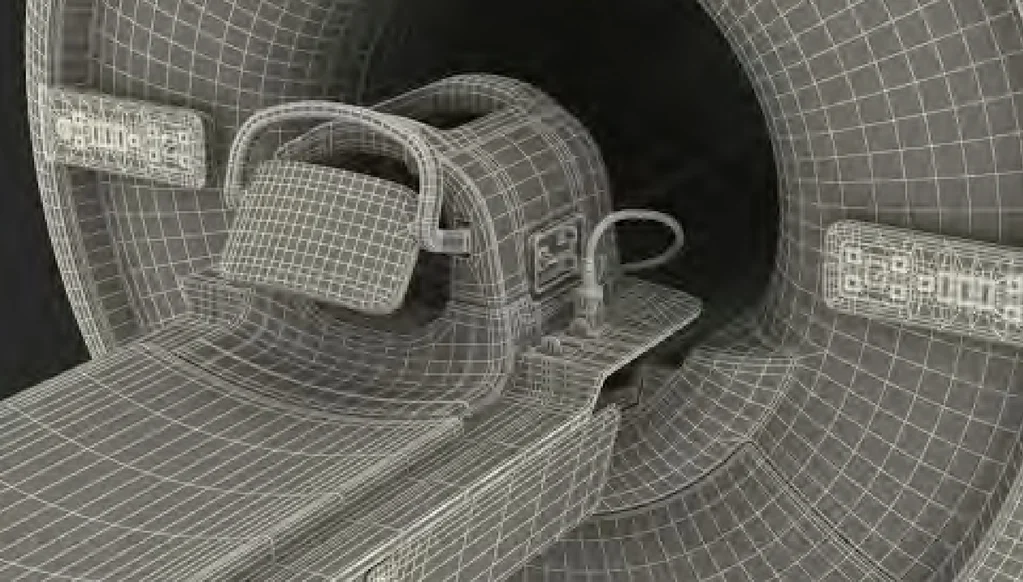
The second was the MRI scanner: what it looks like, what it does and how it helps diagnose health issues, for people who have never seen one in person. Taking a $200,000, 3-ton machine to events around the world was a challenge of its own.
The approach
4 Roads knew video would not win the attention Philips wanted for these products. Augmented reality, then in its infancy in business but growing fast in gaming, could break both down into something easier to take in.
It is eye-catching, engaging and memorable, and above all easy to understand: everything an event showcase needs.
Digital twins
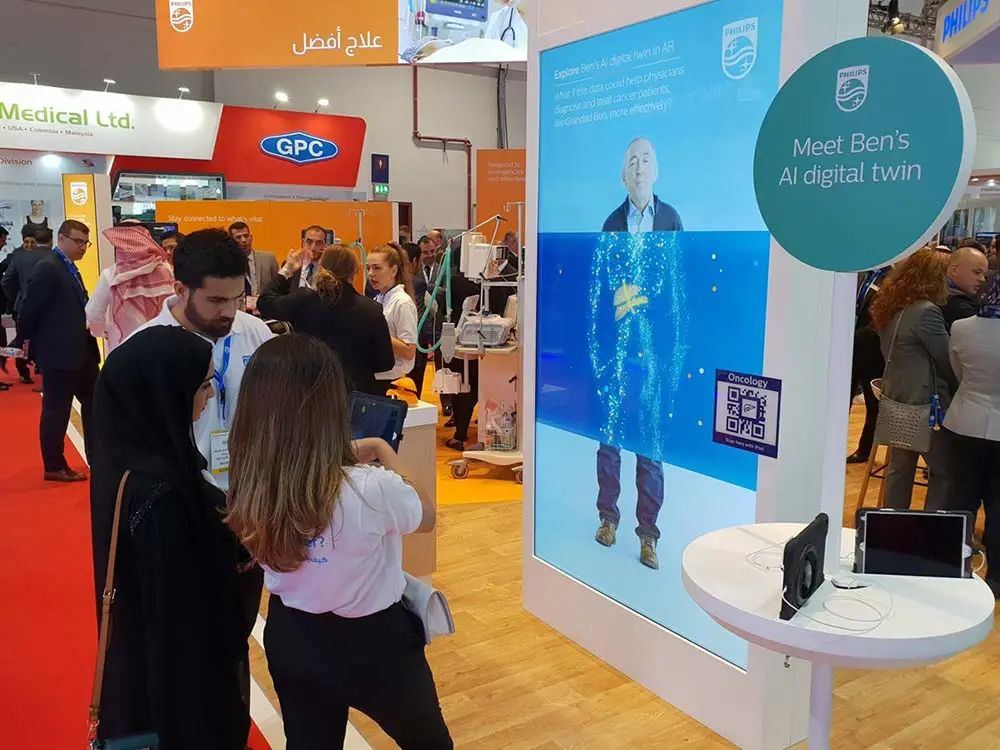
Four 98-inch screens stood around the Philips exhibition space. Each showed a different patient, a father, a mother, a grandfather or a grandmother, and a different area of care: cardiology, oncology, pregnancy or sleep.
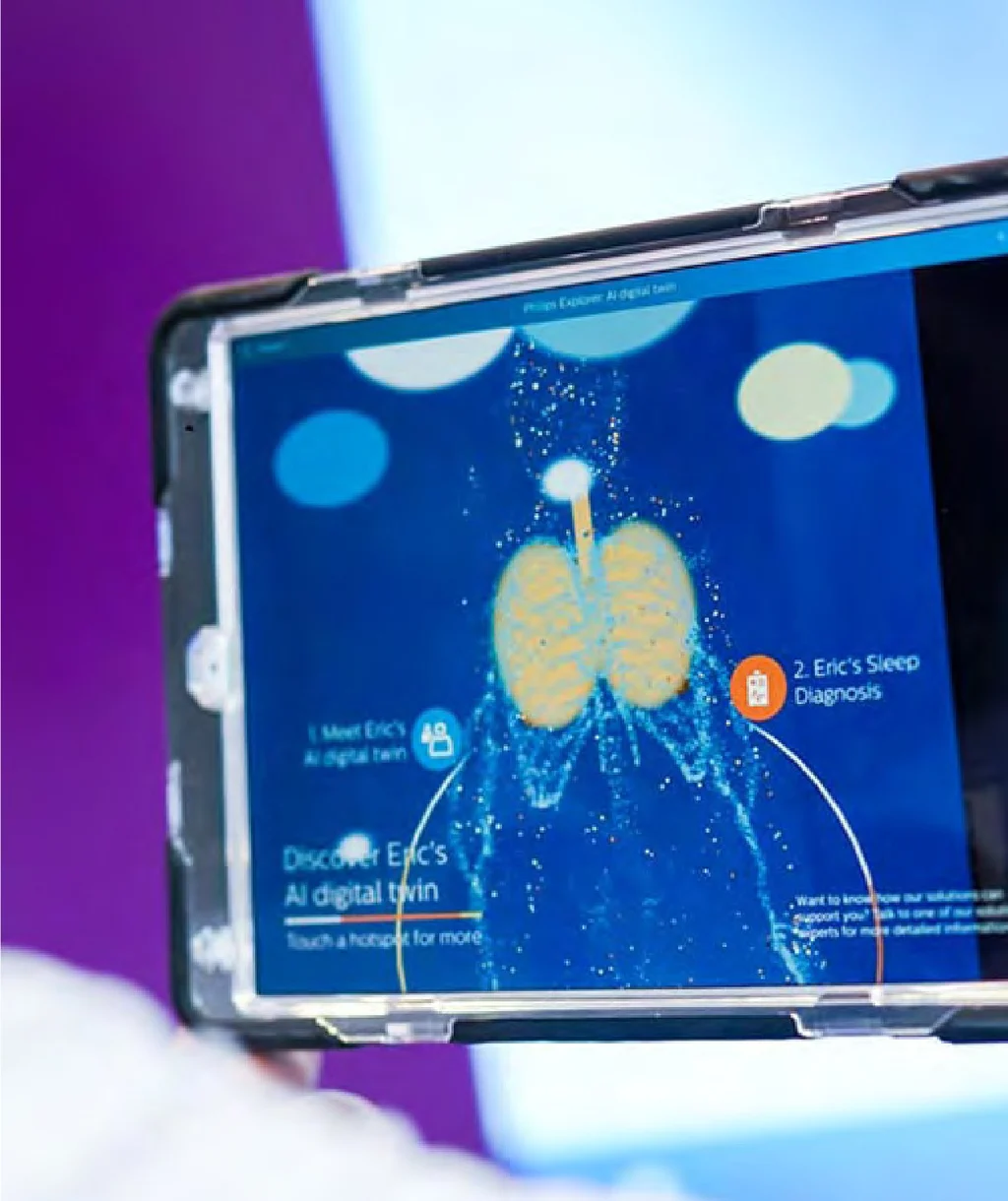
On each screen was an AR marker for guests to scan with a tablet. They were then guided through the digital twin experience, built in advance in Philips Explorer, an augmented reality platform.
Guests chose what they saw, and short animations explained how AI Patient is used in each part of a patient's own care story. Grandad Ben's screen, for oncology, asked how his data could help physicians diagnose and treat cancer patients like him more effectively.
The MRI scanner
The MRI scanner went into augmented reality too. With a virtual scanner there was no heavy, expensive machine to move, and delegates could still interact with one.
They could 'explode' it into its parts to see how it fits together, explore its key specifications and drill into whatever interested them. Most people have never seen an MRI machine in person, so they left better informed.
Results
Feedback was overwhelmingly positive. Delegates praised the experiences, and came away with a better understanding of what Philips can do.
Philips now knows how immersive technology can make a real difference to its customers, consumers and stakeholders around the world, and augmented reality is part of its toolkit for showing its products at events.
Built in under two months: four 98-inch digital twin screens, and an MRI scanner in augmented reality instead of a 3-ton machine
The project's timeframe, the screens around Philips' exhibition space, and the weight of the scanner Philips did not have to transport.
Tell us what your customers are trying to do, and we will start from there.

Speak to Rob (we can't promise he won't be on his bike)
4 Roads built Tafani, STC's intranet on Verint Community: questions and discussions, ideation challenges, surveys and knowledge, on 54 custom widgets.
4 Roads replaced Acticare's ecommerce platform with a B2B system linked to OGL and MaxOptra: budgets, approvals, preferred products and self-service.